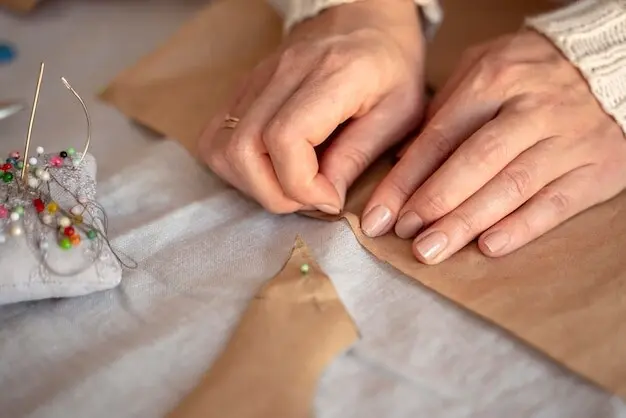
Threads and Grains from Peaks to Shores

Today we explore the traditional textiles and woodcarving heritage across Alpine and coastal communities, following the paths of wool, flax, olive wood, and pine from high pastures to bright harbors. Meet families who keep patterns alive, see how materials shape meaning, and learn ways to support, practice, and pass on these resilient, beautiful crafts in your everyday life.

Materials Shaped by Landscape

Mountain winds tighten wool and sharpen knives, while sea salt settles into rope, oar handles, and the hems of working clothes. Up valley, sheep feed on aromatic plants that subtly perfume fleece; down by the coast, olive prunings cure slowly into steady-handed spoons. Between them, flax fields, spruce stands, and driftwood landfalls remind us that materials remember place, weather, and the hands that gather, season, spin, and carve them.

Wool, Flax, and Salt-Touched Fibers

Wool from highland breeds felts dense when fulled, trapping warmth for journeys over snowy passes, while flax grown in valley bottoms dries to quietly luminous linen. Along the shore, brine-heavy breezes stiffen drying nets and influence dye work, where artisans temper color with patience, mineral-rich water, and gentle heat. Together these fibers travel from field and flock to loom and body, carrying seasons inside every thread.

Limewood, Swiss Pine, and Olive Grain

Carvers praise limewood for its obedient fibers and forgiving cuts, perfect for crisp detailing on cupboards and figurines. Higher up, resinous Swiss pine yields a fragrant, workable softness for bowls and devotional carvings. Near coves and terraces, olive wood’s swirling grain asks for slower, surer strokes, rewarding attentiveness with depth and glow. Each species teaches its own rhythm, guiding the blade as surely as any master’s voice.

Tools Weathered by Altitude and Tide

The same knife honed beside a glacier must be oiled diligently when used near spray and fog. Iron hoops on mallets swell or slacken with humidity, and coastal workshops learn to hang tools for airflow. In mountain sheds, resin and sawdust perfume the air, while seaside benches glisten with salt-kissed light. Skill includes care: rust avoided, edges refreshed, handles re-wedged, and work protected when weather turns suddenly.

Patterns That Carry Memory

Motifs are maps of belonging: diamonds echo scree slopes, while wave lines lead the eye like a tide chart along the hem of a working skirt. A grandmother in a Swiss valley stitches tiny edelweiss near a pocket, a quiet promise of safe returns. Across the water, a boatbuilder’s daughter embroiders a compass rose into a scarf, reminding her father of home when storms speak louder than voices.

Making for Harsh Weather

The cold insists on honest construction. Cloth must shed snow, dry quickly, and breathe on climbs; woodwork must flex without cracking when saturated, then parched. Techniques like fulling, snug seaming, and reinforced hems stand beside pegged joinery, scarf joints, and tarred seams. Practical beauty here is not an accident but a pact between maker and climate, signed anew each season with stitches, shavings, and repair.

Cloth Built for Snow, Wind, and Work

Dense twill resists gusts that creep under benches or along ridgelines. After weaving, fabrics are fulled and brushed, closing tiny gaps so melting flakes roll away rather than soak. Elbows, knees, and cuffs receive thoughtful reinforcement, and closures avoid snagging on rope or branch. When sun returns, garments relax on frames, steam rising like memory, ready for another round of footsteps, sled runners, and steady breath.

Woodwork That Resists Swell and Shock

Boat strakes meet in well-fitted seams; mountain sleds trust stout, elastic timbers. Makers read grain as if reading weather, aligning fibers with expected stress. Pegs, not just screws, hold components that must move together when soaked or frozen. Protective finishes—pine tar, linseed oil, and wax—sink in carefully. Nothing is rushed, because haste leaves weak points that winter or waves will surely find and test.

Repair Traditions That Extend Life

A fine craft’s secret may be its mending culture. Darning eggs bring knit heels back from the brink, while woven patches disguise thin elbows with proud geometry. In boat sheds, treenails are replaced and scarf joints re-wedged, patience turning creaks into confidence. Repairs are stories: evidence of use, love, and promises kept. The most beautiful line is sometimes the seam that saved the day.

Hands, Households, and Guilds

Before markets open, practice lives at kitchen tables and under low eaves. Grandparents share quiet instructions with gestures more than words; apprentices read the grain on offcuts, then graduate to real boards. In some towns, guild marks still rest beneath lids and linings like blessings. Domestic rhythms, workshop rules, and communal celebrations braid together, ensuring skills travel comfortably from one generation’s fingertips to the next decade’s imagination.

Learning by Watching and Repeating

A child’s first lesson is often to sit where light falls well. From that chair, repetition becomes teacher, palms remembering what language cannot finish saying. Pick-ups on the loom, regular chisel pressure, and the courage to correct a mistake—these arrive in patient layers. One day, the same child shifts the stool, offers it to another, and the whole practice moves gently forward without breaking stride.

Women’s Cooperatives and Seasonal Rhythms

Alpine winters gather spinners, weavers, and knitters into warm circles where work mingles with news. Along the coast, cooperative dye days unfurl, pots simmering like low-tide pools. Shared orders, pooled tools, and collective pricing protect livelihoods against lean seasons. When spring calls people outward, these circles loosen into marketplaces and festivals, then tighten again by lantern light, reminding everyone that strength can be both flexible and deeply rooted.

Guild Seals and Makers’ Pride

A small emblem burned beneath a drawer, a numeral inside a chest panel, a discreet signature under a carved saint—marks of accountability and joy. Such signs once allowed trade regulation and trust across passes and ports. Today, they connect collectors to real hands, reinforce fair pay, and invite conversation about methods, timelines, and care. Pride, in this sense, is an address where responsibility reliably answers.

Colors From Plants, Earth, and Sea

Dye pots bloom like gardens under roofs and awnings: walnut for brown like bark after rain, madder for reds warmed by hearthstones, weld and goldenrod lighting yellows like larch in autumn. Mineral-rich waters change results village to village. On wood, oils and waxes coax grain to speak, while pine tar protects work meant to meet weather. Hue, luster, and protection collaborate, never merely decorate.

Dye Pots That Tell Stories

Every vat contains a biography. Someone gathered leaves in a basket still smelling of hay, another skimmed the surface for errant bubbles before dipping skeins. Timing matters: too eager and colors shout; patient hands find calm, anchored hues. Mistakes become knowledge, recorded in the slight unevenness only artisans notice, the charisma that turns cloth into a memory rather than an anonymous, indifferent surface.
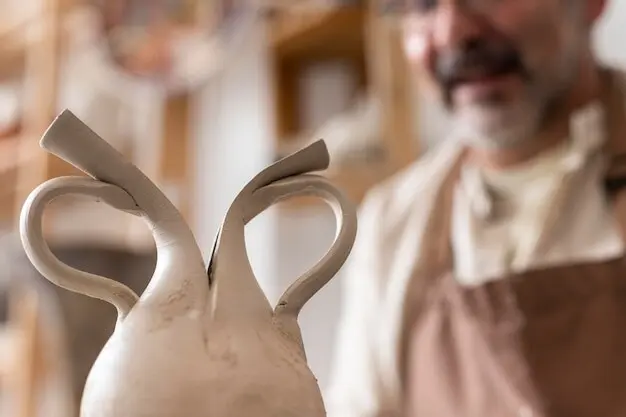
Finishes That Deepen Grain

Linseed oil sinks into thirsty fibers, warming pale boards to honey. Beeswax burnishes edges touched often, encouraging a satin glow where palms rest. For gear near water, pine tar’s smoky promise seals joins and laughs softly at drizzle. Finish is conversation, not disguise: a way of letting wood remember forests while standing ready for kitchens, chapels, boats, workshops, and the countless gestures that give objects purpose.
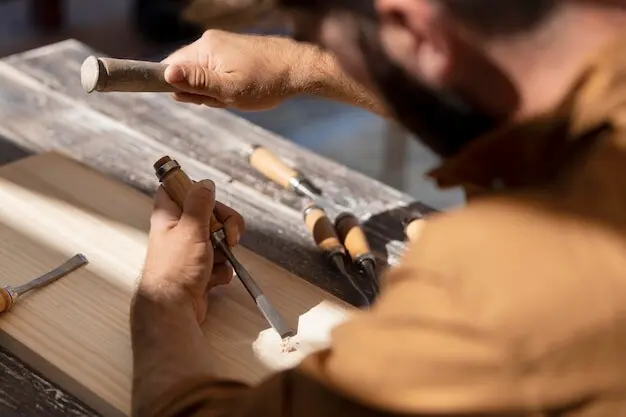
Contrast That Guides the Eye and Hand

Carvers chase shadow lines that help motifs read at distance, using depth and spacing more than sheer ornament. Weavers, similarly, alternate tones so patterns stay legible in dim winter rooms. Contrast supports use: a carved grip located by touch, a patterned edge signaling fold lines. Beauty and clarity meet here, each preventing the other from drifting into fussiness or dullness, preserving grace under daily pressure.

Festivals, Markets, and Living Museums

Knowledge breathes best outdoors, among bells, gulls, and excited conversations. Cattle descend garlanded from high meadows as craft stalls open; harbor regattas bless boats before races, and vendors lay out laces, belts, spoons, and bowls that glow in morning light. Open-air museums welcome wandering learners, where the sound of a loom shuttling joins gull cries. Here, buying becomes stewardship, and watching becomes learning by heart.

How You Can Join the Story

Every household can carry a piece of this living heritage. Learn a stitch, carve a spoon, or simply care better for what you already own. Share family stories in the comments, subscribe to future features, and send photos of your progress. Small acts compound: respectful washing, regular oiling, and mindful storage keep beauty useful. Your attention becomes another strong thread linking peaks and shores.
Rinomexodaxiveltolorivaro
Privacy Overview

This website uses cookies so that we can provide you with the best user experience possible. Cookie information is stored in your browser and performs functions such as recognising you when you return to our website and helping our team to understand which sections of the website you find most interesting and useful.